How to keep inventory synced across POS, ecommerce, and warehouse systems
Whether you're running a physical store, selling online, or managing multiple warehouses, keeping inventory synced is critical to avoid over-selling, stockouts, or delivery delays. Discover how you can simplify inventory management across all your sales channels and locations using smart practices and automation.
Access inventory management software
Highly rated and trusted by customers!








Key features
Key takeaways
- A reliable inventory system ensures real-time synchronization across POS, ecommerce, and warehouse platforms.
- Automate stock updates, replenishment, and order fulfillment to reduce errors and avoid stockouts.
- Gofrugal helps retailers manage multi-channel inventory with centralized control, automation, and full visibility.
Challenges of managing inventory across multiple channels
When your retail, online, and warehouse systems operate in silos, the result is chaos. Here are the top pain points businesses face.
- Disconnected sales channels and warehouses: A lack of real-time sync between POS, ecommerce, and warehouse systems causes mismatched stock data, duplicate entries, and poor item traceability across locations.
- Inefficient manual processes: Teams rely on time-consuming manual checks, delayed transfers, and reconciliation tasks that increase errors, slow down operations, and raise operational costs.
- Inaccurate returns and cancellation handling: When returns and cancellations happen the system often fails to update the inventory properly, leading to stock mismatches, delayed restocking, and customer dissatisfaction.
- Poor visibility and forecasting limitations: Without a centralized view of inventory, forecasting becomes inaccurate, causing stockouts or overstocking. This limits data-driven decisions and hinders business growth.
Best practices to keep inventory synced across POS, ecommerce & warehouse systems
Now a days, your customers shop from anywhere—your retail store, mobile app, website, or even a third-party marketplace. To meet their expectations, your inventory must always be accurate, in sync, and available in real time.
1. Centralization of inventory data
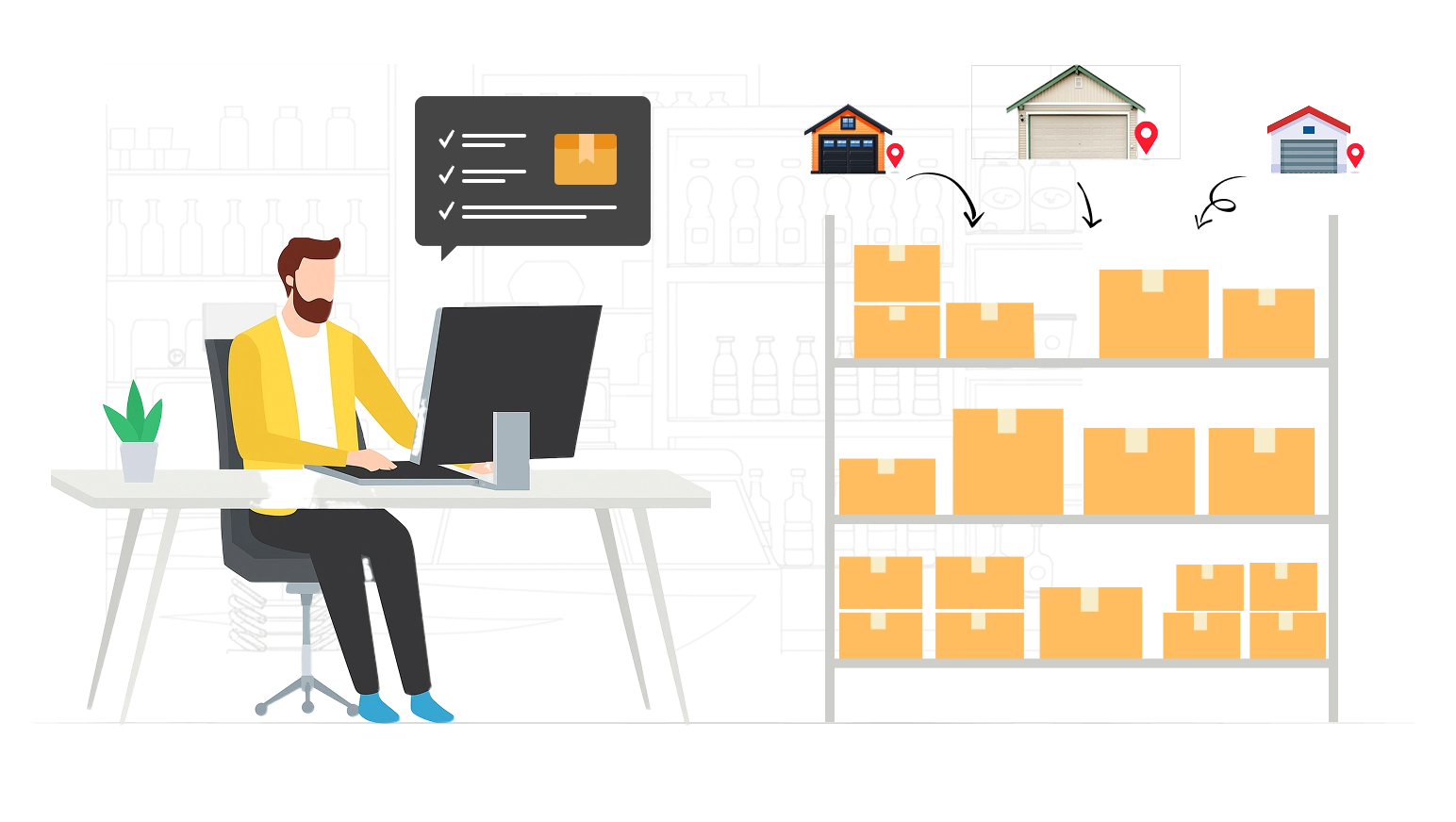
Managing inventory from multiple systems often leads to chaos, duplication, and manual errors. By centralizing your inventory data, you create a single source of truth that all your systems can rely on.
- Sync inventory across all channels—POS, ecommerce, warehouses, and marketplaces—in one unified platform.
- Automatically update stock after every sale, return, or transfer in real time.
- Reduce the need for manual data entry or reconciliation between systems.
2. Real-time synchronization
When your systems aren’t updated instantly, your staff and customers operate on inaccurate information. This leads to overselling, unhappy customers, and lost revenue.
- Instantly reflect inventory changes caused by orders, returns, cancellations, or transfers.
- Keep product availability accurate across your online store, physical stores, and back office.
- Prevent checkout issues, avoid stockouts, and protect your brand’s credibility.
3. SKU normalization & barcodin
Having different product codes across channels leads to confusion, delays, and duplicate entries. Normalizing your SKUs and using barcode systems ensures clean, organized, and trackable inventory.
- Standardize product codes (SKUs) across your POS, ecommerce platform, and ERP.
- Avoid human errors caused by manual code entry or mismatched data.
- Use barcodes to speed up billing, stock intake, dispatch, and stock audits.
4. Automation of replenishment
Manual reordering is risky; delays can result in lost sales or overstocking. Automating your replenishment process ensures your shelves are always ready to serve customers.
- Set minimum stock levels and auto-trigger purchase orders when thresholds are reached.
- Enable automatic stock transfers between warehouses or branches based on demand.
- Keep high-demand items available at all times without overstocking slow movers.
5. Batch & serial number tracking
Certain products, like perishables, electronics, or regulated goods, require precise tracking. Batch or serial number tracking ensures accountability, safety, and compliance.
- Assign batch numbers to products with expiry dates like food, cosmetics, or medicines.
- Track serial numbers for electronics, appliances, or high-value items.
- Enable warranty tracking, returns management, and product recalls without confusion.
6. Smart order fulfillment logic
Fulfilling orders from the most optimal inventory location improves delivery speed and saves logistics costs. This practice is essential for modern omnichannel retail.
- Automatically map orders to the closest or best-stocked store or warehouse.
- Manage split deliveries or partial fulfillment based on product availability.
- Reduce shipping time and costs while balancing stock across locations.
7. Multi-location inventory support
When you operate from more than one store or warehouse, centralized visibility becomes critical. It helps you fulfill orders smarter, manage demand, and stay in control.
- Track inventory across all locations from a single dashboard.
- Transfer stock between branches as per seasonal or regional demand.
- Display accurate local stock to customers for pickup or delivery options.
8. Periodic inventory auditing
Waiting for a year-end stock audit is risky. Discrepancies can pile up and affect business performance. Ongoing cycle counting helps catch issues early and keeps inventory accuate.
- Schedule regular audits by category, zone, or product group.
- Spot inventory mismatches and take corrective action before they impact sales.
- Minimize disruption compared to full stock audits.
9. Analytics & predictive alerts
Modern inventory management is about being proactive, not reactive. Using analytics and alerts, you can make smarter decisions and avoid problems before they occur.
- Monitor trends in stock movement, sales velocity, and seasonal demand.
- Forecast upcoming demand based on historical and real-time data.
- Receive alerts for low stock, overstock, expiry, or abnormal activity.
10. Returns & cancellations sync
Returns and order cancellations are a natural part of retail. If not handled properly, they cause inventory mismatches, stock loss, and operational confusion.
- Automatically update stock after cancellations or customer returns.
- Restock eligible items with correct batch or serial tagging.
- Streamline refund, exchange, and restocking workflows.
How Gofrugal helps you keep inventory synced across POS, ecommerce, and warehouse systems
Gofrugal is a cloud-based ERP solution designed to streamline operations such as billing, inventory, and accounting to add retail, restaurant, distribution. Whether you're selling in-store, online, or from multiple warehouses, Gofrugal keeps your stock accurate, connected, and under control in real time.
- Centralized, real-time inventory sync:
Maintain a single source of truth for inventory across your POS, ecommerce site, and warehouse. Every sale, return, or stock movement is updated instantly, helping you avoid overselling, stockouts, and data mismatches. - Unified order and return management:
Handle orders from all sales channels—online, offline, or marketplaces—through one system. Inventory automatically adjusts for cancellations, returns, and modifications, keeping your stock levels accurate without manual checks. - Smarter stock replenishment and transfers:
Set reorder points and let the system trigger purchase orders or inter-branch transfers when stock runs low. This automation ensures your fast-moving items are always available across all locations, especially during peak times. - Advanced tracking with batch, serial, & expiry control:
For businesses handling perishable or regulated goods, track inventory precisely using batch numbers, serial numbers, and expiration dates. Simplify audits, manage warranties, and stay compliant easily. - Barcode & mobile-first operations:
Speed up stock receiving, billing, audits, and dispatches using mobile devices and barcode scanning. Eliminate human error, improve counting accuracy, and empower your staff with faster workflows even in low-bandwidth environments. - Smart analytics & multi-location visibility:
Monitor stock movement, demand trends, and inventory performance with real-time dashboards. Get predictive alerts for low or overstocked items, and gain complete visibility across all branches, warehouses, and sales platforms. - Easy integration & scalability:
Gofrugal connects seamlessly with platforms like Shopify, Amazon, WooCommerce, and more. Plus, with cloud support and open APIs, your system stays future-ready as your retail business scales.
Frequently Asked Questions
What is multichannel inventory sync, and why is it essential?
Multichannel inventory sync ensures your stock levels are updated automatically across all sales channels such as online marketplaces, physical stores, and your own website. It eliminates overselling and stock mismatches, improving accuracy and customer trust.
How does it improve inventory accuracy and decision-making?
By automating updates across channels, multichannel inventory sync reduces human error, prevents overselling or overstocking, and gives you centralized visibility into stock trends. This supports smarter ordering and operational efficiency.
Can this system support omnichannel retail models?
Yes. Multichannel inventory sync forms the backbone of omnichannel retail, enabling seamless integration between online and offline operations—whether it's buy-online-pickup-in-store or fulfillment from any outlet.
What are the key features to look for in modern systems?
Look for real-time or near-real-time syncing, centralized dashboards, automated reorder triggers, advanced reporting, purchase order automation, and seamless integration with your POS, e-commerce platforms, and warehouses
How does this trend reflect recent developments in inventory management?
Today, advanced multichannel inventory management incorporates features like AI-driven demand forecasting for supply chain traceability boosting accuracy, predictive insight, and scalability.