How to manage inventory for both in-store and online channels from one system
Managing stock separately for offline and online sales leads to mismatches, delays, and lost orders. With a centralized system, you can sync inventory in real time, fulfill faster, and scale your omnichannel business without errors.
Download Gofrugal POS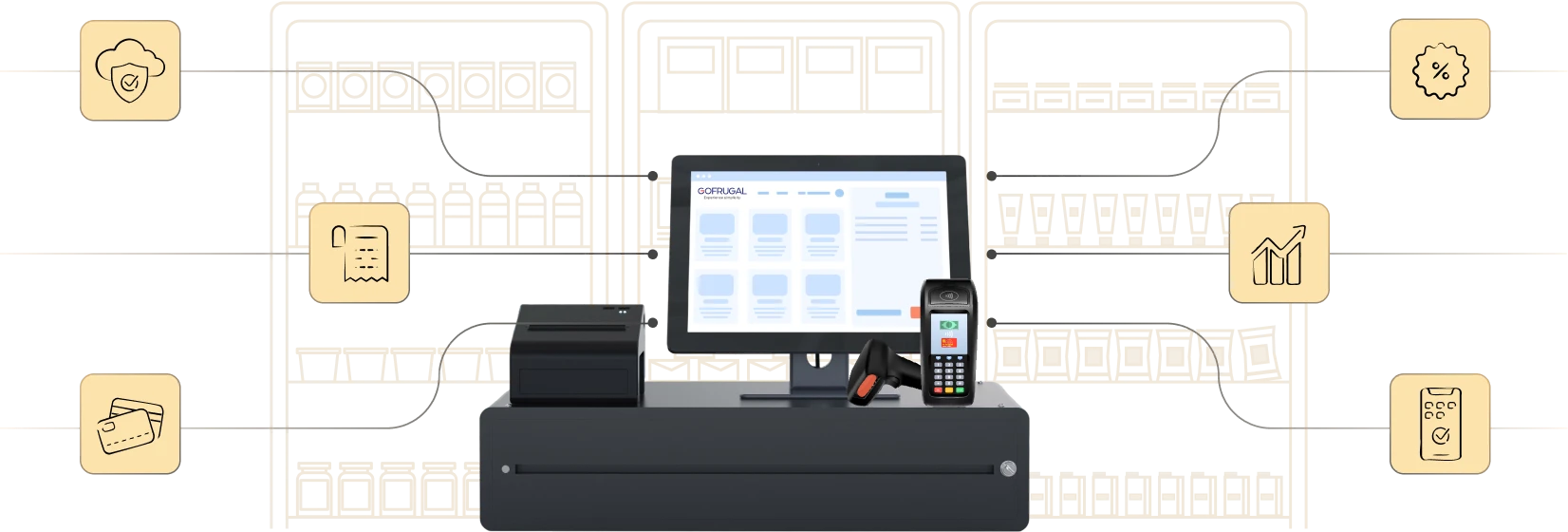
Highly rated and trusted by customers!








Key features
Key takeaways
- Disconnected systems create inventory mismatches and lost sales.
- A centralized inventory platform ensures real-time accuracy across channels.
- Gofrugal provides unified control for in-store, online, and warehouse stock.
Top inventory management challenges across channels
Without centralized inventory control, omnichannel retailers face blind spots in stock movement and availability that directly impact sales, fulfillment speed, and customer trust.
- Mismatched stock data between systems Inventory updates at physical stores don’t reflect online, causing overselling, cancellations, and poor customer experiences due to unavailable or delayed orders.
- No visibility into channel-wise perform Retailers can’t track which channels sell faster, which products are stagnant, or where restocking is needed most.
- Manual, delayed stock updates When teams depend on spreadsheets or disconnected tools, fulfillment slows down and errors creep in.
7 ways to manage in-store and online inventory from one system
Centralized inventory management is essential to avoid mismatches, prevent overselling, and fulfill orders faster across channels. Here are seven proven ways omnichannel retailers can manage store and online stock from one system without manual coordination.
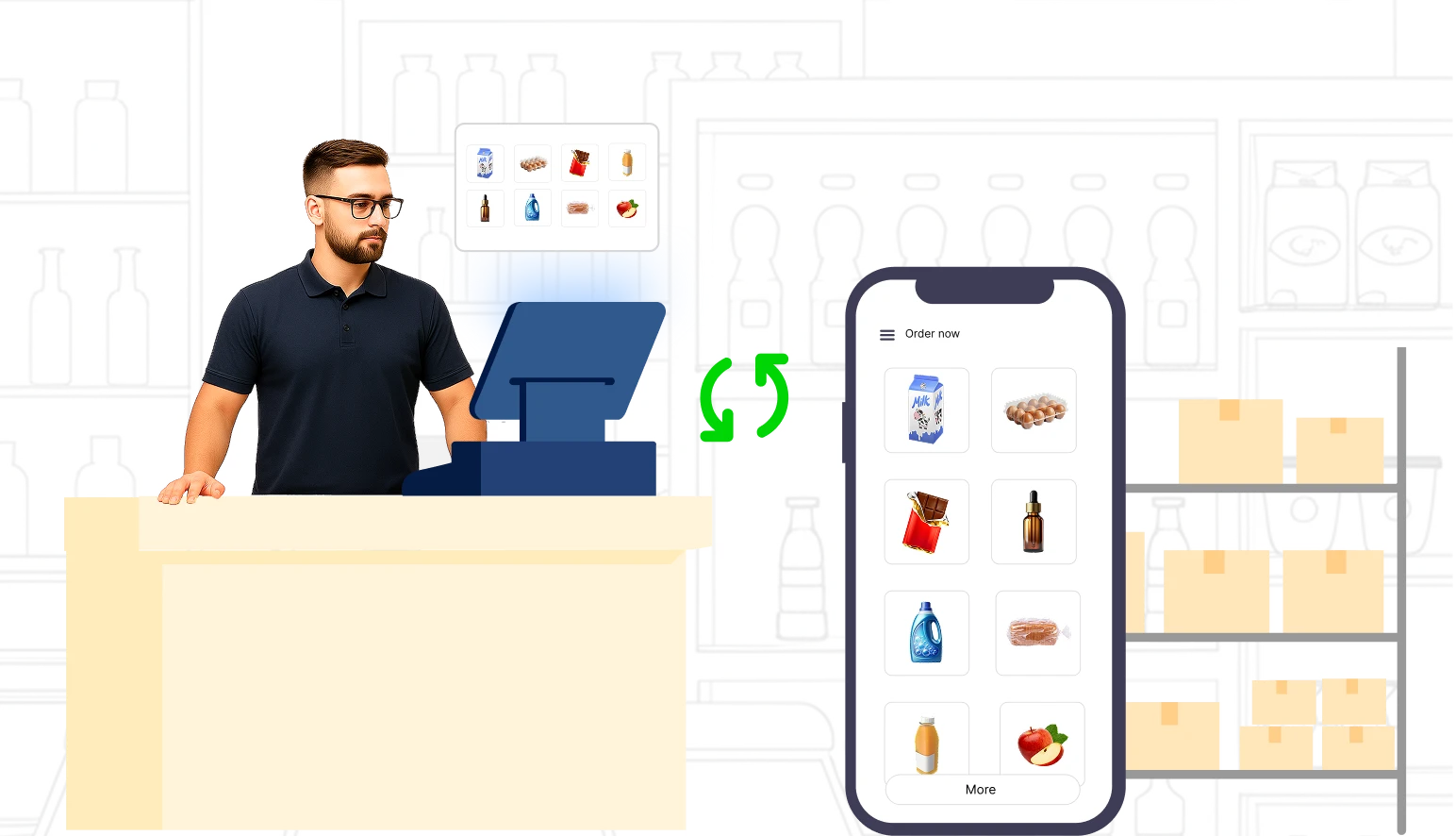
1. Centralize inventory management with standardized master data
- Correct item names, descriptions, images, and GST details across all products.
- Map products to the right category tree (e.g., Snacks → Biscuits → Good Day).
- Define sellability, online pricing, and stock visibility for each item.
2. Enable real-time stock sync
- Reflect stock changes instantly across offline stores and online marketplaces.
- Prevent overselling with live quantity updates and sync.
- Improve customer satisfaction with accurate availability displays.
3. Automate order allocation
- Assign orders to the most optimal outlet or warehouse based on location or stock.
- Auto-deduct stock from the source fulfilling the order.
- Speed up dispatches and reduce manual decision-making.
4. Track inventory movement across channels
- Get a unified view of transfers, returns, and sales across all systems.
- Identify stock leaks or anomalies across outlets and ecommerce.
- Ensure audit-readiness with complete traceability.
5. Set safety stock levels
- Maintain minimum quantities to avoid stockouts during peak demand.
- Configure different thresholds for online and offline sales.
- Trigger an automatic purchase or transfer when stock dips.
6. Integrate purchase and fulfillment workflows
- Auto-update inventory when a PO is received or an order is fulfilled.
- Link procurement directly to real-time stock levels.
- Avoid delays caused by disconnected systems.
7. Generate channel-wise reports
- Compare product performance across online and offline channels.
- Track stock turnover, dead stock, and replenishment needs.
- Make informed decisions using outlet-wise and marketplace-wise analytics.
Why a unified inventory system is essential
Managing inventory separately for each channel creates blind spots that affect your entire business, from the customer experience to revenue. A unified system ensures your stock is always accurate, visible, and up to date, no matter where the sale happens.
Without this integration:
- Customers may order products online that are already sold out in-store.
- Staff wastes time reconciling mismatched data from different platforms.
- Managers lack visibility into stock performance across locations and channels.
How Gofrugal helps manage inventory for both in-store and online channels from one system
Gofrugal ERP is a unified POS and ERP solution built for modern retail, helping businesses manage inventory, billing, and operations with speed and precision.
Inventory mismatches across channels result in cash flow blocks due to dead stock, poor customer experience from delayed or canceled orders, and limited pricing control. Without accurate inventory data, retailers can’t optimize pricing based on stock levels, shelf life, or demand. Gofrugal gives you the visibility and tools to centralize control, sync inventory in real time, and manage every channel with confidence at scale.
- Standardized Item Master to manage all product data in one place, both online and offline.
- Attribute Master to define custom fields required for marketplace integrations and unique channel needs.
- Real-time stock updates across outlets, warehouses, and ecommerce platforms.
- Smart order routing to auto-allocate orders to the most optimal source.
- Omnichannel analytics to track stock movement, sales, and replenishment, all in one dashboard.
Frequently asked questions
What is omnichannel inventory management?
Omnichannel inventory management is the process of tracking, updating, and controlling stock across all your sales channels, including physical stores, online marketplaces, and ecommerce platforms from one centralized system.
How can I sync inventory between my physical store and online store?
With Gofrugal, your inventory updates in real time across all channels. Any sale, return, or adjustment made in-store or online automatically reflects everywhere, avoiding overselling or mismatched stock data.
What are the benefits of using one system for inventory management?
A unified system eliminates duplicate entries, reduces stock errors, speeds up fulfillment, and gives complete visibility across locations. It saves time, reduces manual work, and supports faster business decisions.
Can I manage multiple store locations with one inventory system?
Yes, Gofrugal lets you manage inventory across multiple outlets, warehouses, and ecommerce platforms from a single dashboard. You can track stock movement, transfers, and performance at each location in real time.
How does real-time inventory tracking reduce stock errors?
Real-time tracking ensures every sale, return, or update is instantly recorded and visible. This prevents discrepancies, avoids stockouts or overstocking, and reduces manual reconciliation efforts.
What integrations are needed for unified inventory management?
You can integrate your POS, ecommerce platforms (like Amazon, Flipkart, JioMart), accounting tools, and warehouse systems with Gofrugal. Our Attribute Master feature also supports custom fields for marketplace-specific needs.
How do returns and exchanges work in a unified system?
Returns and exchanges—whether online or in-store—are recorded against the original transaction. Stock is adjusted automatically, and the status is reflected across all systems, reducing errors and delays.
Is centralized inventory management suitable for small retailers?
Absolutely. Centralized inventory helps even single-store or small retailers avoid stock mismatches, improve efficiency, and sell on multiple channels with confidence. It sets a strong foundation for future growth.