How to implement effective inventory management in a food business to minimize waste and theft?
Losing stock silently? Learn how to take control of your inventory and your profits. With the right strategies and tools, you can protect your profits, keep shelves stocked with fresh items, and build trust with your customers.
Try free inventory software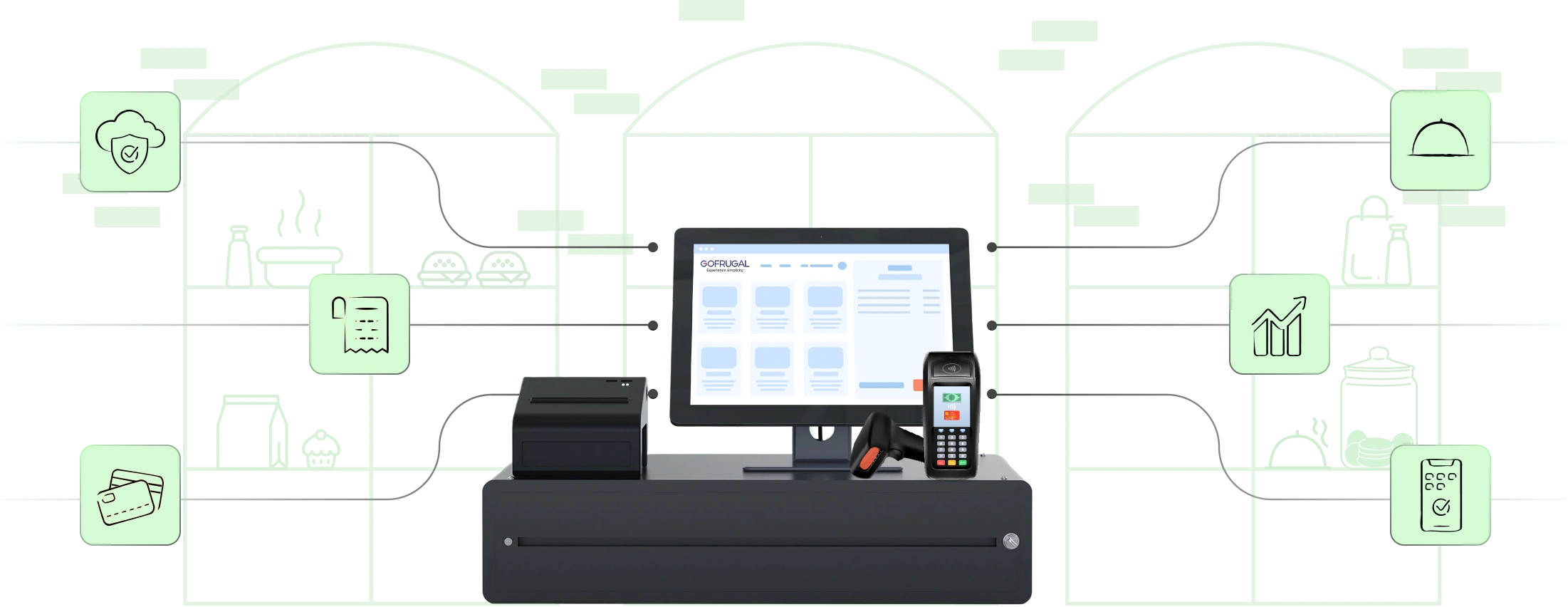
Highly rated and trusted by customers!





Key features
Key takeaways
- Why bakery & sweet shop stock is hard to manage.
- What leads to hidden waste and theft?
- How the right system can help you save your capital.
Top challenges in restaurant inventory management
- Highly perishable ingredients and finished goods.
- Spoilage and expiry due to poor planning.
- Stock discrepancies due to manual tracking.
3 best ways to minimize waste and theft
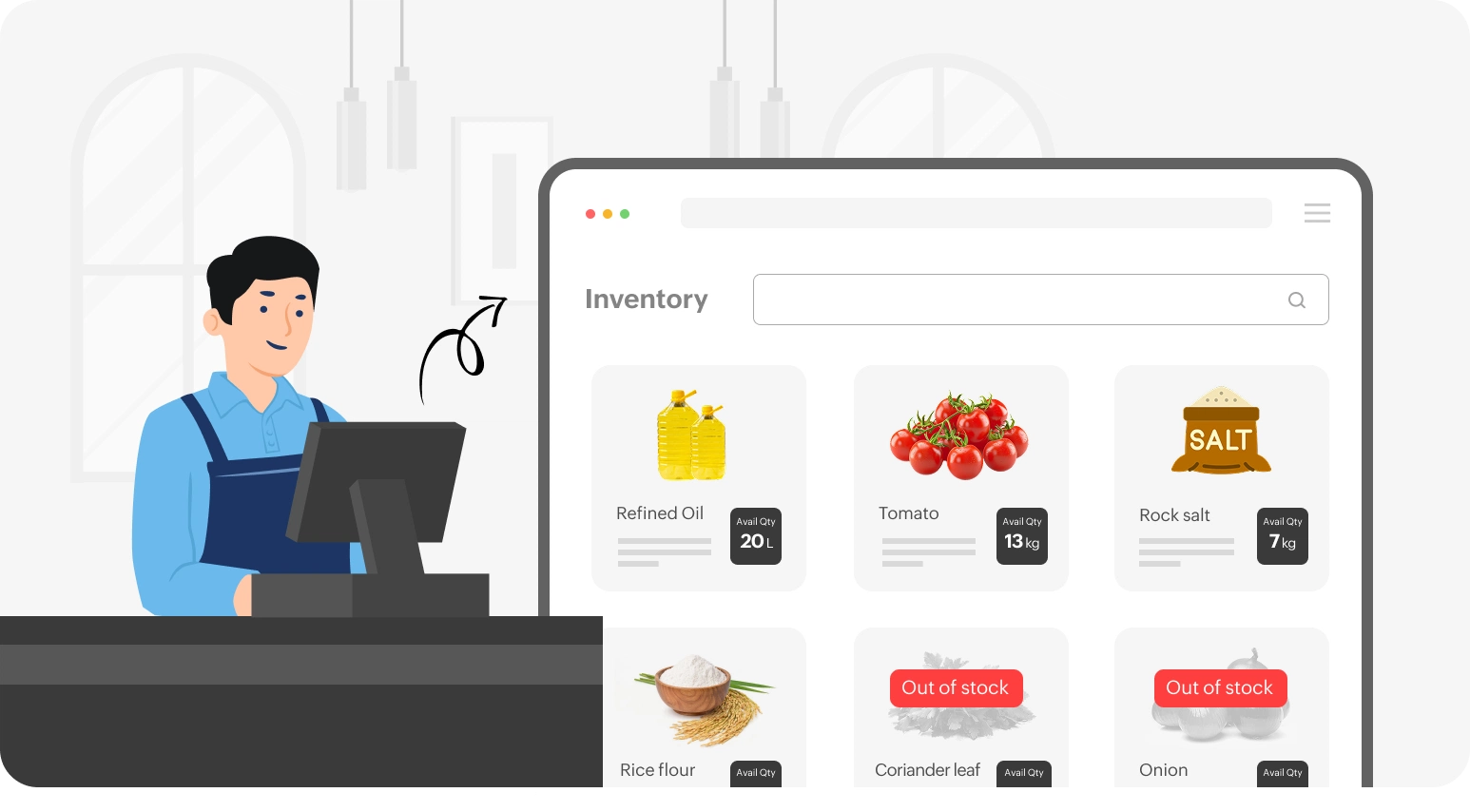
1. Implement practical inventory control procedures
Out of all the available inventory control techniques, there are a few that are easy, important, and practically sustainable in the long run.
- Maintain accurate opening and closing stock
Know the quantity of ingredients you start your day with and track the raw material left out for each day. This gives you an accurate view of what's in hand, what has been spent, and what to procure.
- Follow the FIFO method
First-In, First-Out is one of the golden rules a food business should follow to minimize waste and also ensure food safety. What comes into the inventory first gets utilized first. Maintaining this order minimizes expiry and waste.
- Conduct regular stock audits
Establish regular manual stock with POS integrated mobile apps. Take a routine walk across the warehouse and central kitchen to know what's on hand and to identify potential discrepancies. This can be done daily, weekly, or monthly to keep the staff aware and accountable.
- ABC analysis
Remember Pareto's 80/20 rule: 20% of the good delivers about 80% of the value. So, identify, mark, and categorize goods from high value to low value, and most important to least important. Class A being the highest value items and Class B and C being the least valuable items, prioritize Class A while managing Class B and C items.
- Maintain a buffer stock
Stockouts are a problem in retail, but in restaurants, they are a disaster. One missing ingredient for a recipe can ruin a whole dinner service. Try to have enough extra stock in hand to handle a sudden surge in the demand.
- Segregation of duties for staff
Inventory management is not a one-person job; based on your scale of business, give separate roles for ordering, receiving, storing, and issuing stock to prevent misuse or manipulation.
- Establish supplier/vendor management
Happy vendors mean better profit margins. Have streamlined vendor management and track supplier performance for quality, quantity, and timeliness to avoid costly rejections or shortages.
2. Utilize technology for enhanced control
Business tech has come a long way in automating business operations; explore the available options and choose the right tech that helps you manage your business.
- Set minimum and maximum stock levels
Only in the food business is both understocking and overstocking a problem. So establish and maintain the threshold levels of all the ingredients to handle demand and avoid running out of ingredients.
- Define and link recipes to sales
Create a menu, add the items, and inform the system of the items' ingredients and recipes. The system then tells you what to buy, when to buy, and even how much you need to buy based on the future production plan. Track exactly how much raw material each product consumes so production matches actual sales.
- Use batch tracking and expiry management with barcodes
Track raw ingredients and finished goods in batches and have individual items barcoded. This helps identify and flag near-expiry and expired items.
- Implement role-based access control
Like how you have different roles assigned to staff to manage your business operations, assign roles for each user in the POS system you are using and control what they can do in the POS. This limits who can access sensitive stock data or make adjustments to reduce misuse.
- Log and analyze waste
Waste is common; it's the proprietor's role to take measures to reduce it. Let your staff clearly mention the reason for waste of a product along with its quantity. This helps you identify patterns and resolve them.
- Track production vs. sales
Comparing what’s made versus what’s sold is one of the best ways to automatically detect leaks in the process and work on resolving them. Choose a POS that has both production and sales data.
- Digitize GRN and stock inward process
Use a digital goods receipt note (GRN) to verify deliveries and update inventory instantly, without manual errors. Use POS-integrated stock inward mobile apps to handle the goods inward process.
3. Focus on physical security and central kitchen organization
Physical security measures and standardizing the process are the easiest first steps a food business can take to get started with inventory and theft control.
- Secure storage for raw materials
Keep your high-value raw materials in a controlled area, and have all your raw materials in a closed and guarded space.
- Keep CCTV in stock and production areas
Have 360-degree CCTV coverage for both the storage space and kitchen areas. Monitoring warehouse and storage areas helps you identify theft and investigate discrepancies quickly, whereas monitoring kitchen areas helps you find out about exploitation of available goods.
- Monitor stock movement in real time
If you have multiple outlets or have a central kitchen and the outlets are far apart, tracking stocking movement in real time is crucial for ensuring effective item availability in both locations. Use connected systems to watch incoming and outgoing stock across outlets or kitchens live.
- Optimal warehouse layout
Arrange items by category and priority for quick access, minimizing handling time and errors. This helps close any loopholes in handling the goods within the warehouse.
- Proper storage conditions
Different food ingredients require different storage conditions based on their nature. Categorize them based on the common storage requirement and maintain ideal temperature, humidity, and hygiene for each category to keep stock fresh and prevent spoilage.
How Gofrugal helps food businesses control waste & theft
Gofrugal offers all the essential features a restaurateur needs to manage a food business's inventory.
- Real-time stock tracking: Know exactly what’s in stock across your restaurant or bakery at any moment.
- Recipe-linked inventory: Every sale automatically deducts the exact finished good's quantities from stock.
- Barcode & batch management: Track items by batch, expiration date, and barcode for error-free billing and stock control.
- Role-based security & audit trails: Restrict critical inventory actions to authorized staff and review every change made.
With Gofrugal, you don’t just manage inventory; you master it. Reduce waste, prevent theft, and run a more profitable food business.